Loft rooms, cyclorama space and lighting gear ready for production days.
A practical rental studio for photographers, brands and makers who need space, grip, modifiers and a clean white cove.
Request a session
Lighting, prep and rooms
Every booking includes a clean prep area, backdrop planning, studio-light orientation and enough space for wardrobe changes, product surfaces or small team movement.
Session options built around this studio style
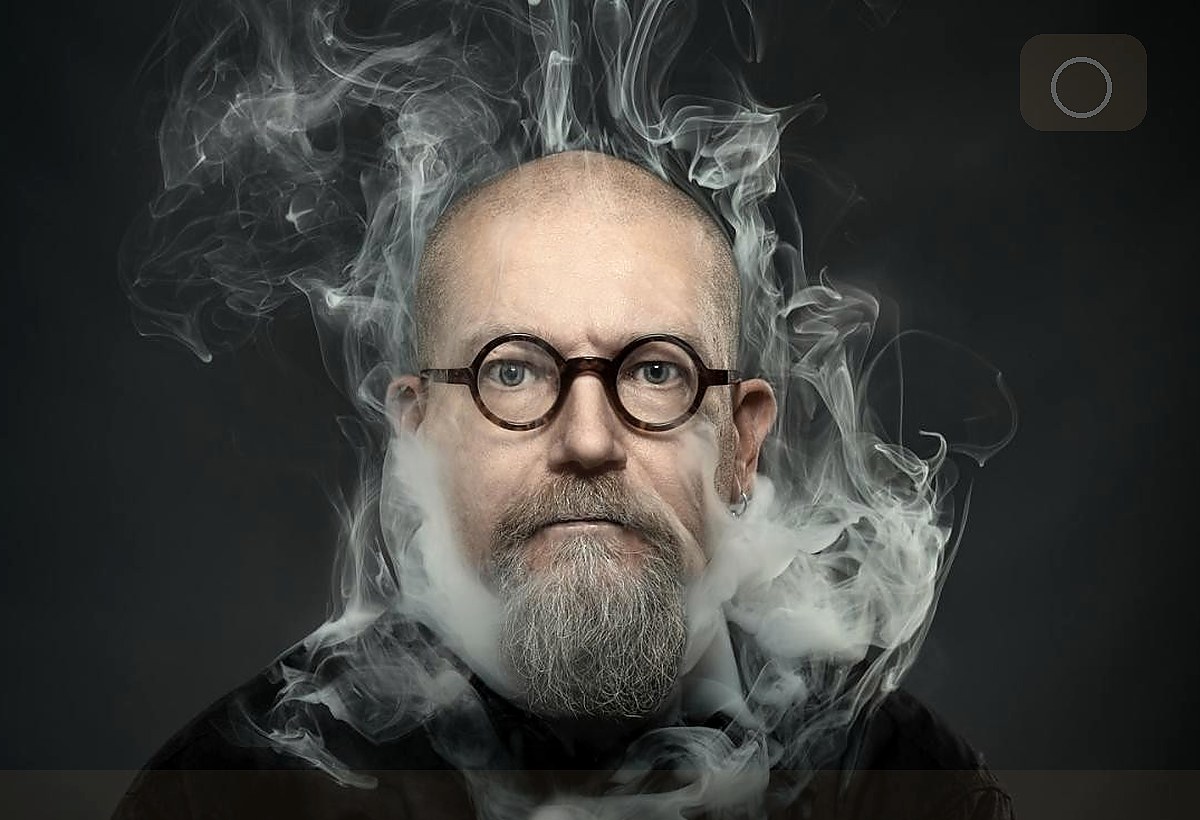
Cyclorama Rental
white cove, grip kit, rolling stands, 2 hours. Includes planning notes, light setup and a private proofing gallery.
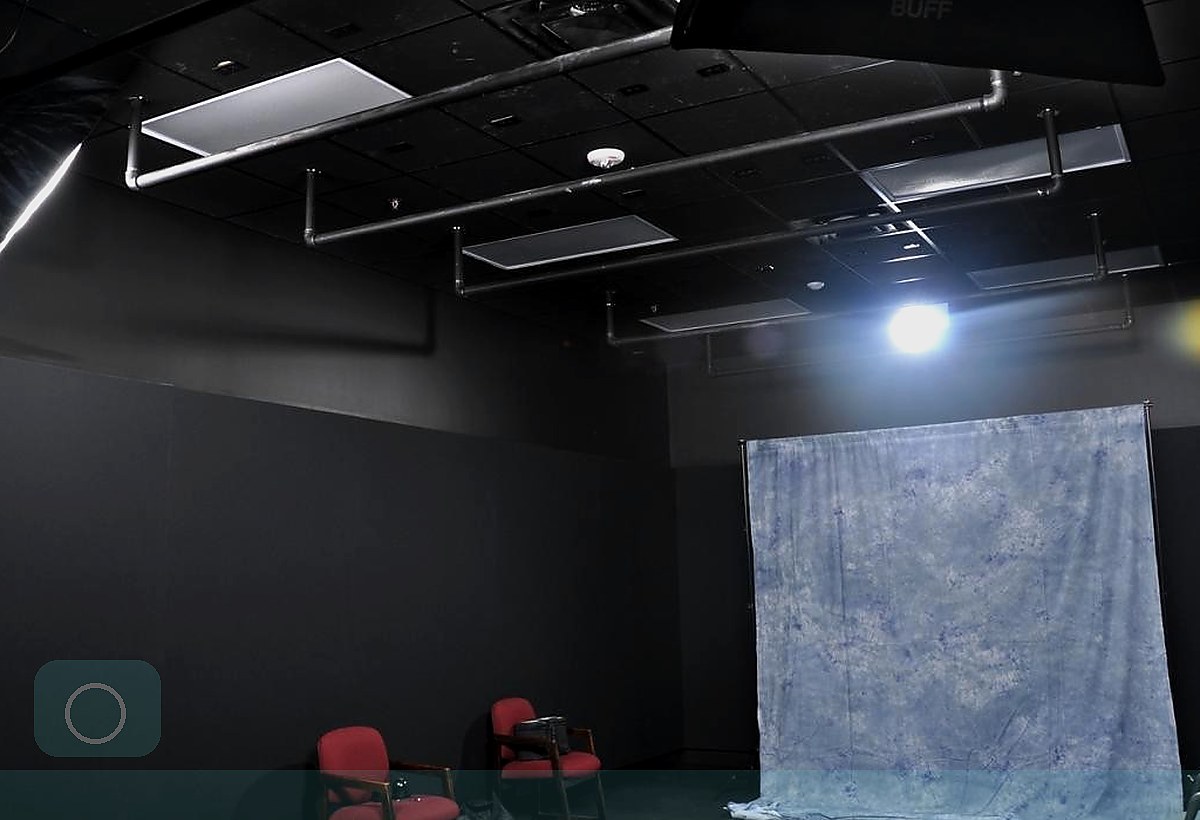
Loft Campaign Day
industrial corners, hard light, 40 final selects. Includes planning notes, light setup and a private proofing gallery.

Lighting Tech Add-On
pre-built modifiers, flags, assistant handoff. Includes planning notes, light setup and a private proofing gallery.
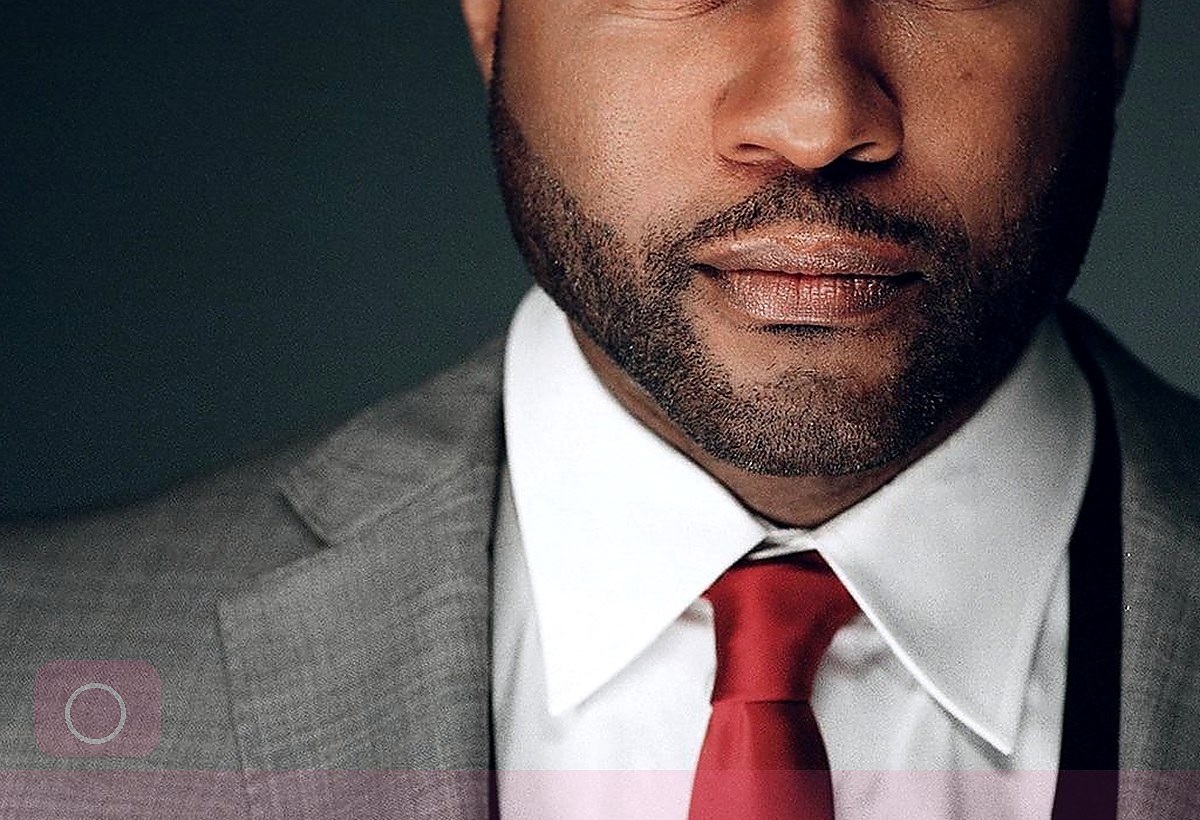
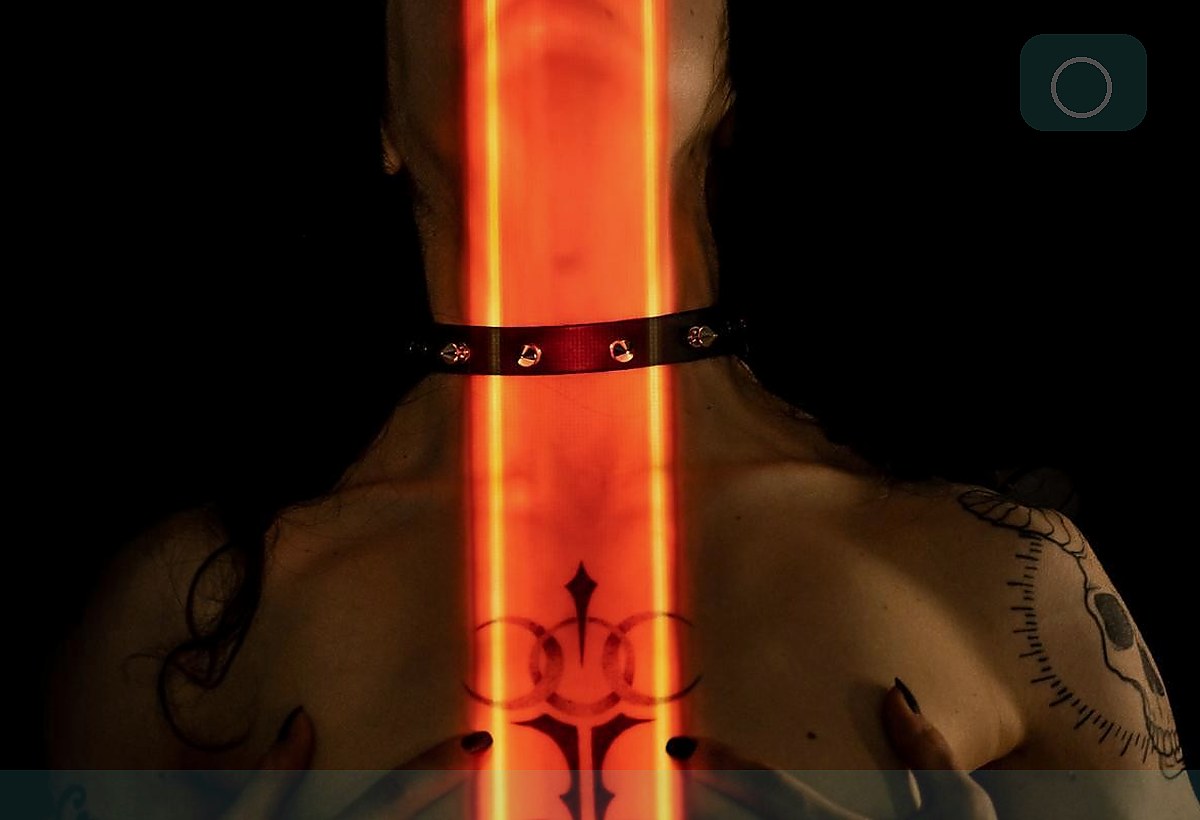
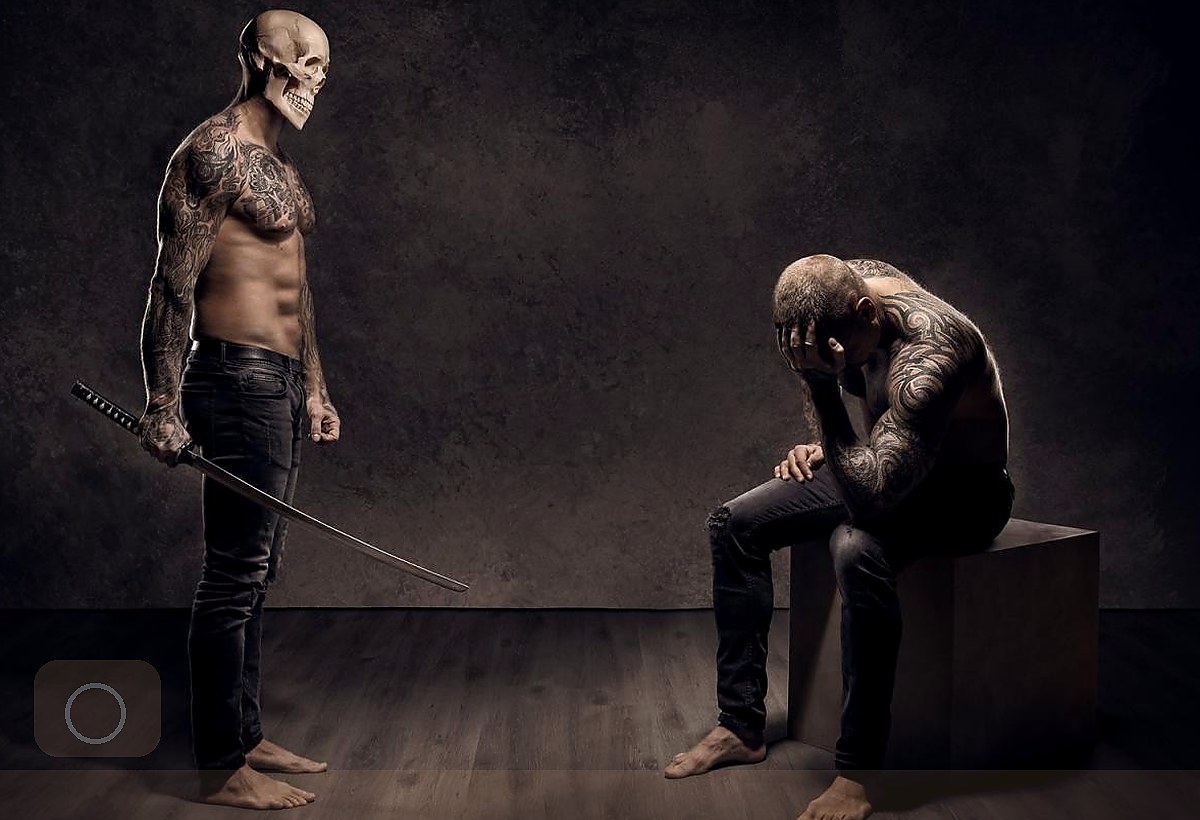
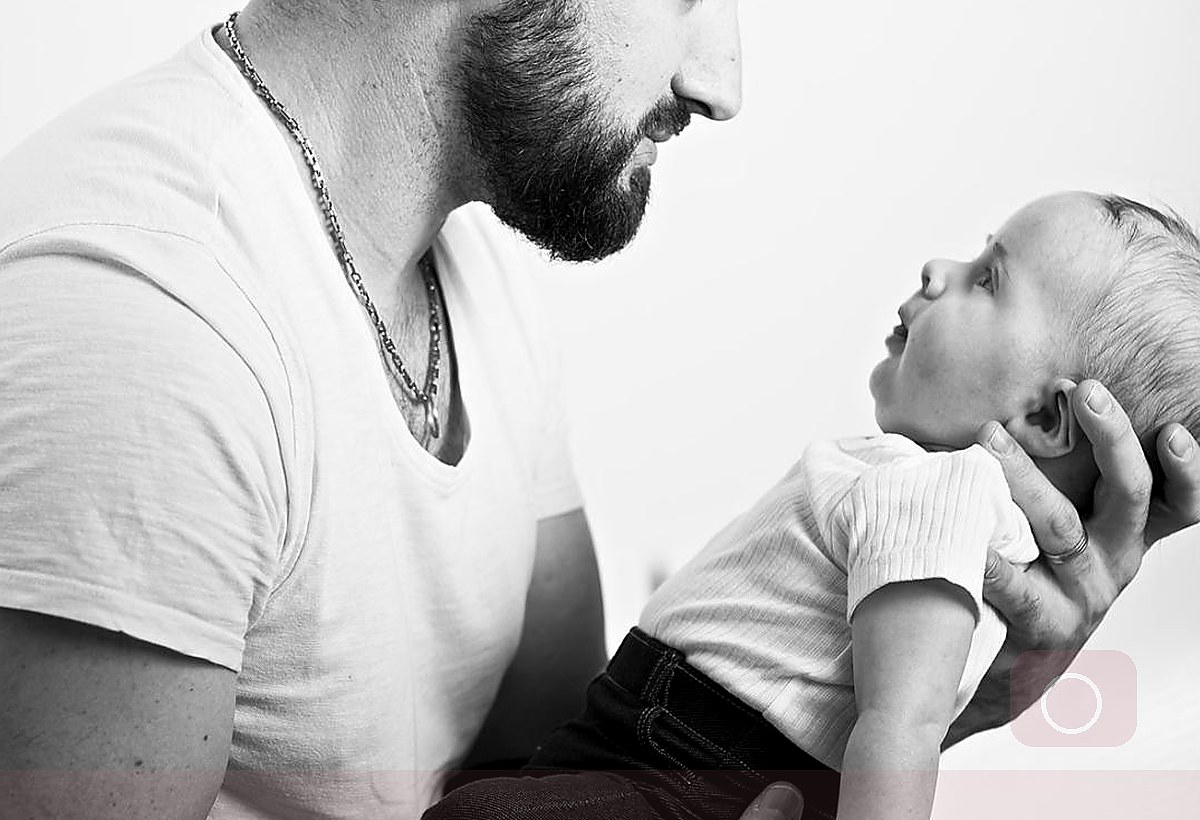
A gallery shaped around different shoot situations
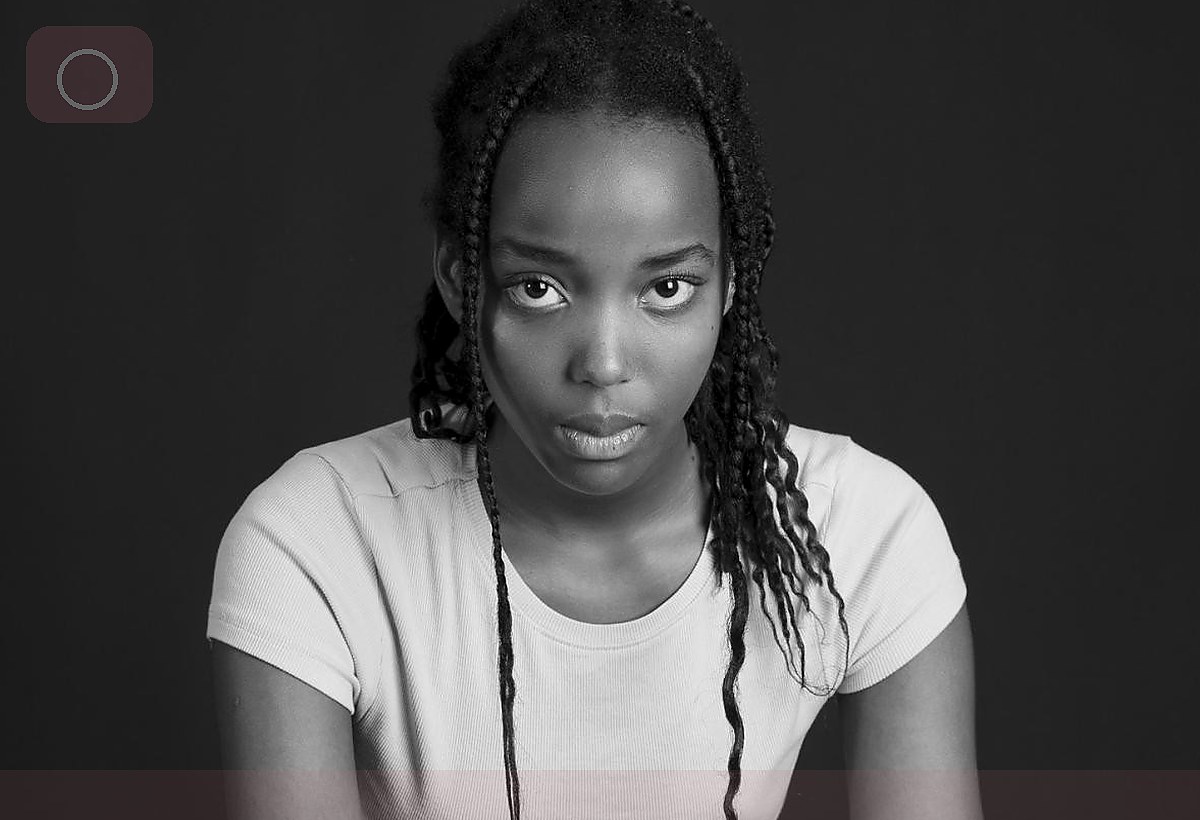
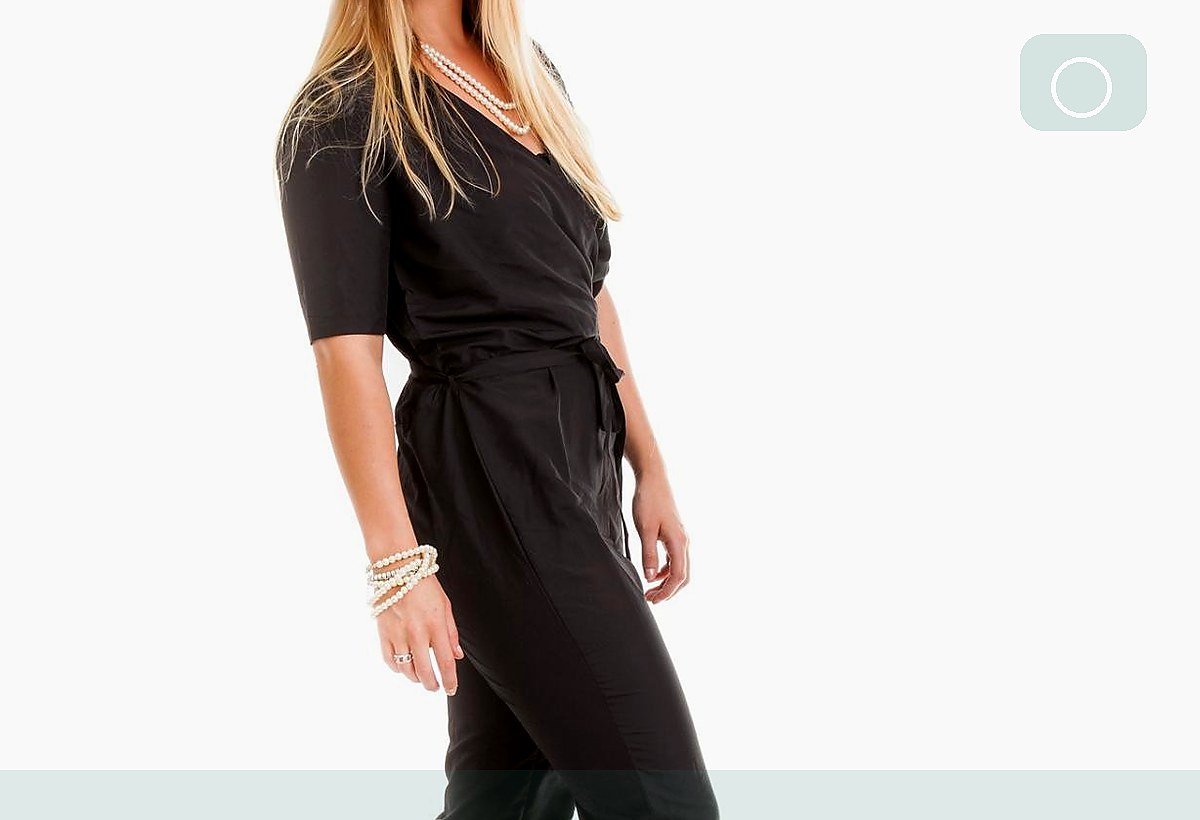


Useful booking notes
Can we rent only the room?
Yes, rental bookings can include space only, or space with a prepared lighting setup.
Is a photographer included?
Selected packages include photographer direction; rental packages are prepared for your own crew.
How many looks fit in one booking?
Most sessions support two or three looks when wardrobe is ready before arrival.
Do you provide retouching?
Every photo package includes a defined number of edited images with natural, polished finishing.
Fresh articles for planning better shoots

Booking a Cyclorama for Photo and Video
A practical studio note with preparation, lighting and posing guidance for this specific photography concept.
Read note
Grip Gear Basics for Rental Clients
A practical studio note with preparation, lighting and posing guidance for this specific photography concept.
Read note
How to Use Hard Light in a Loft Studio
A practical studio note with preparation, lighting and posing guidance for this specific photography concept.
Read note
Preparing Models for a Wide Cove Set
A practical studio note with preparation, lighting and posing guidance for this specific photography concept.
Read note
Backstage Etiquette for Studio Rental Days
A practical studio note with preparation, lighting and posing guidance for this specific photography concept.
Read noteWhen Fabric, Stools and Flags Improve a Shoot
A practical studio note with preparation, lighting and posing guidance for this specific photography concept.
Read note